Discover our latest brochures!
Our new range of brochures are now available to download, offering a comprehensive look at our full product line and capabilities.
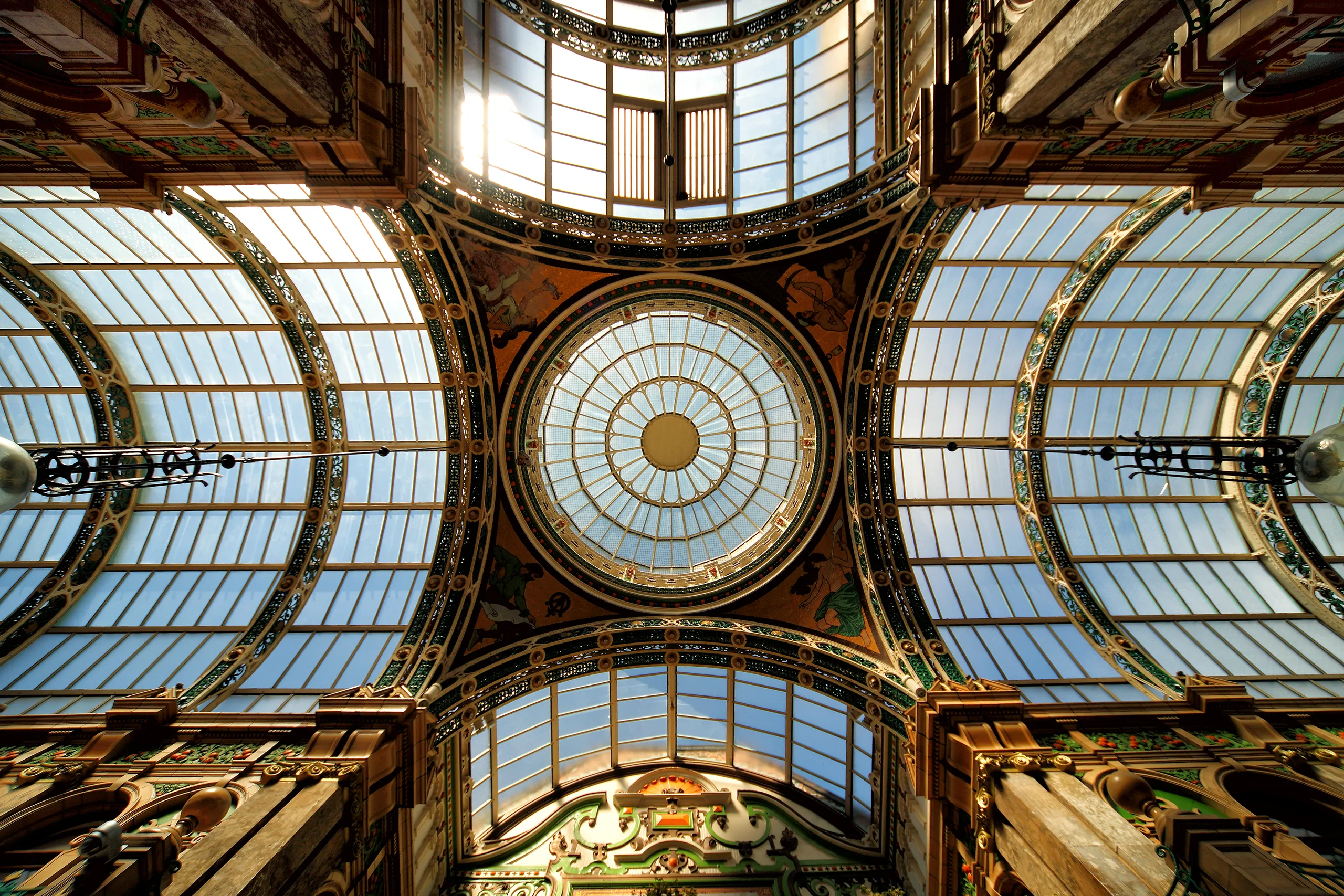
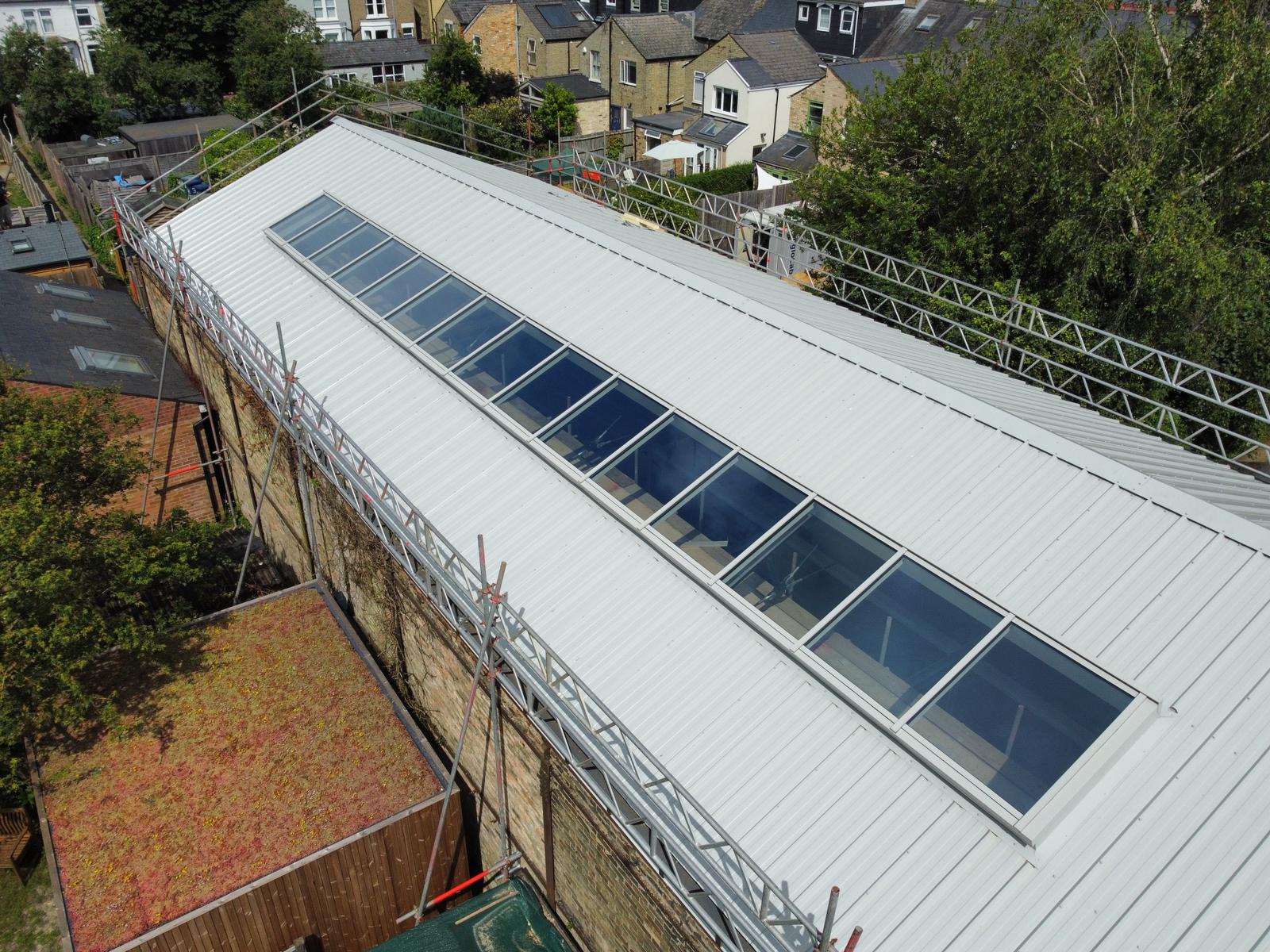
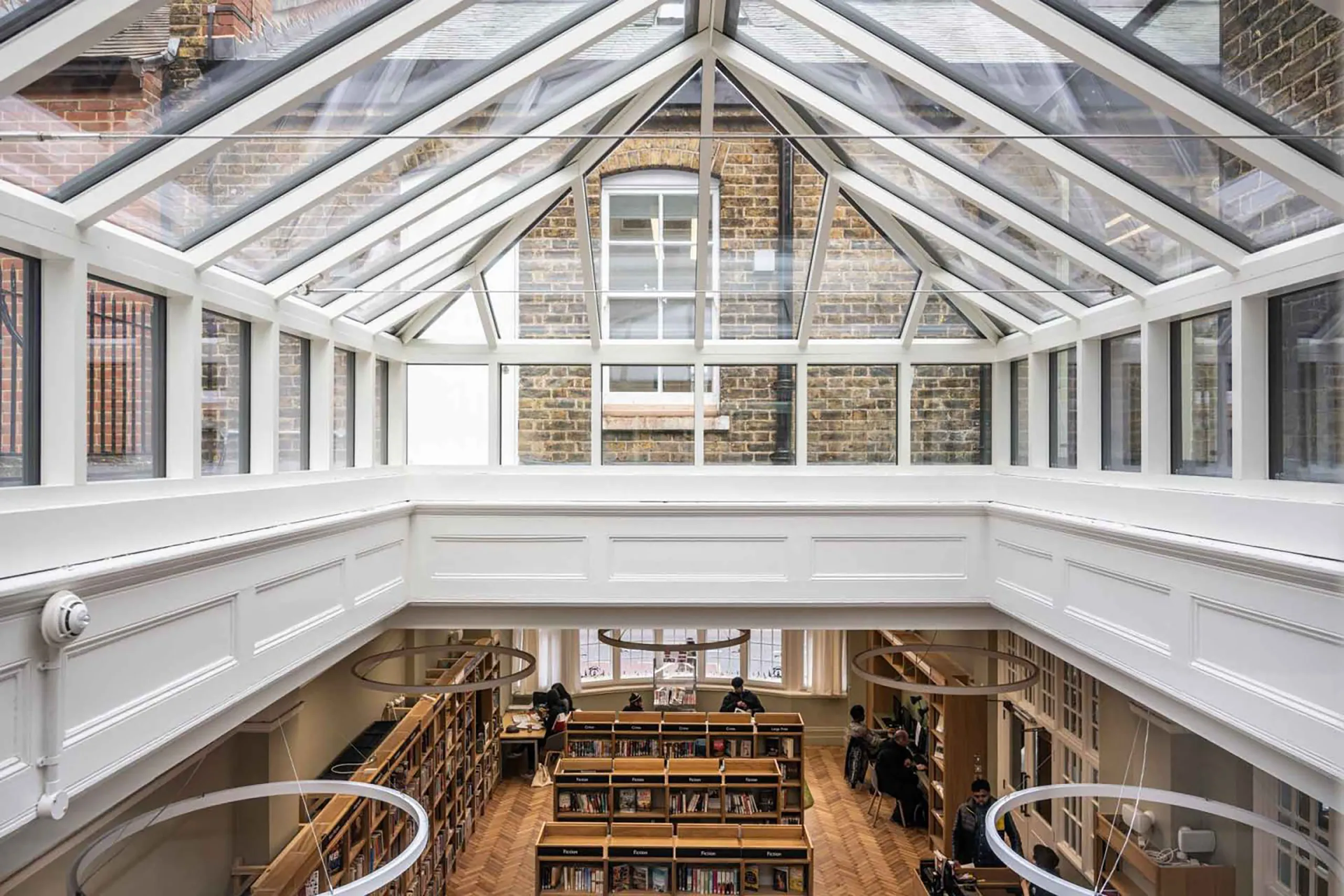
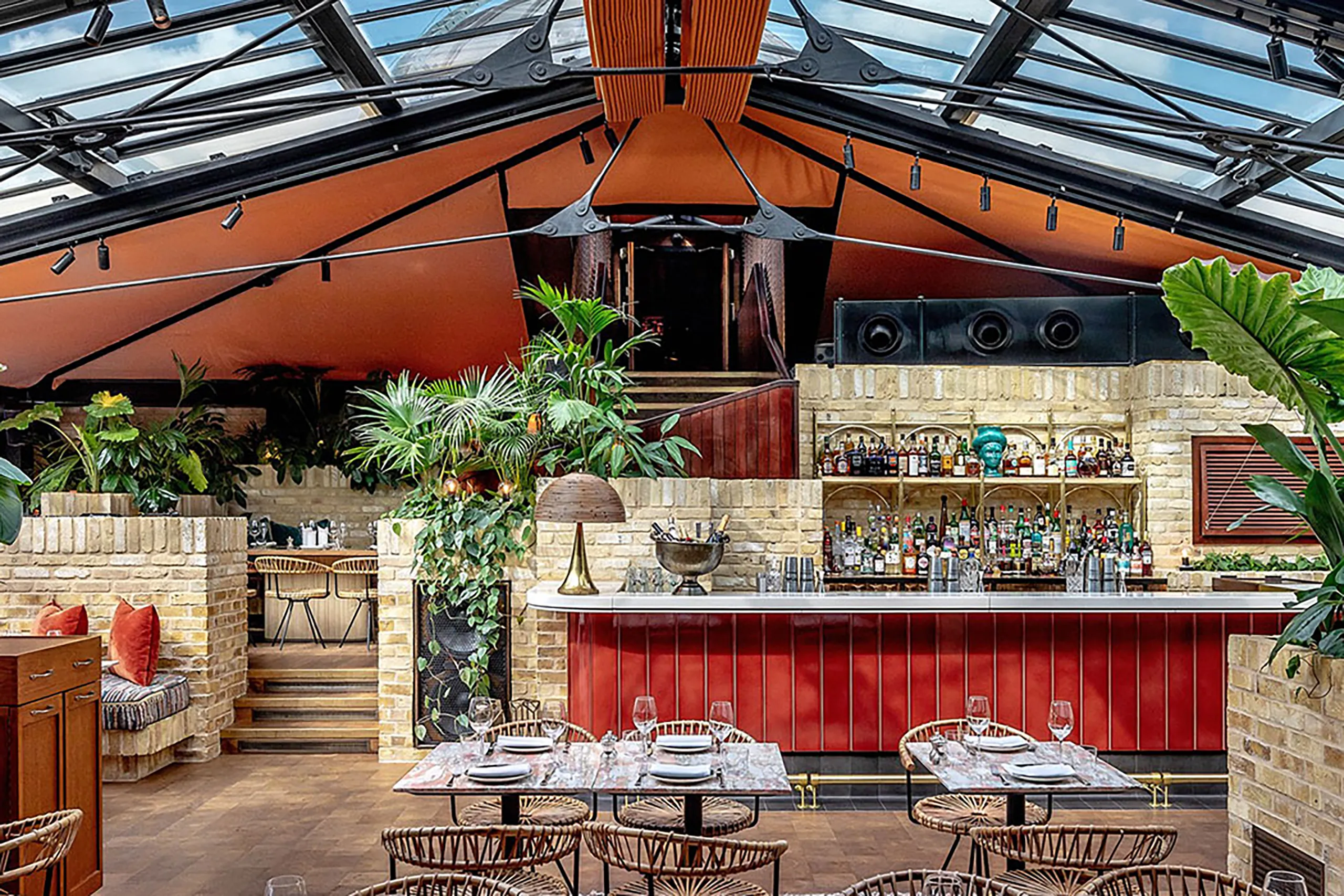
Our patent glazing systems are high-performance roof glazing bar systems designed for complex architectural applications. We deliver commercial and heritage roof glazing systems for large-span structures, glass atriums and bespoke architectural roofs, combining durability, regulatory compliance and long-term weather performance. These systems utilise specialist glazing bars designed to support glass roofs, rooflights and skylights across commercial, heritage and bespoke architectural projects.
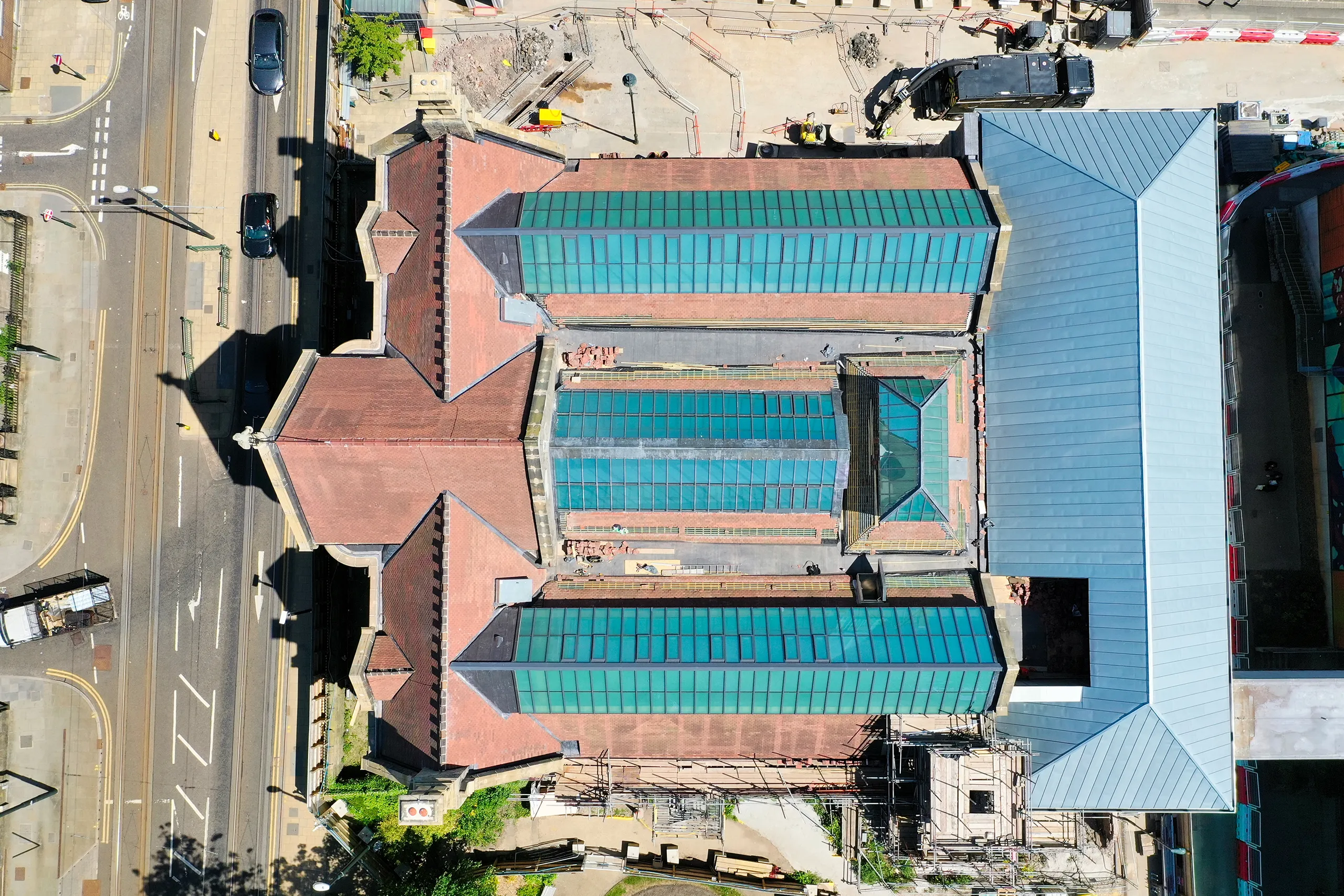
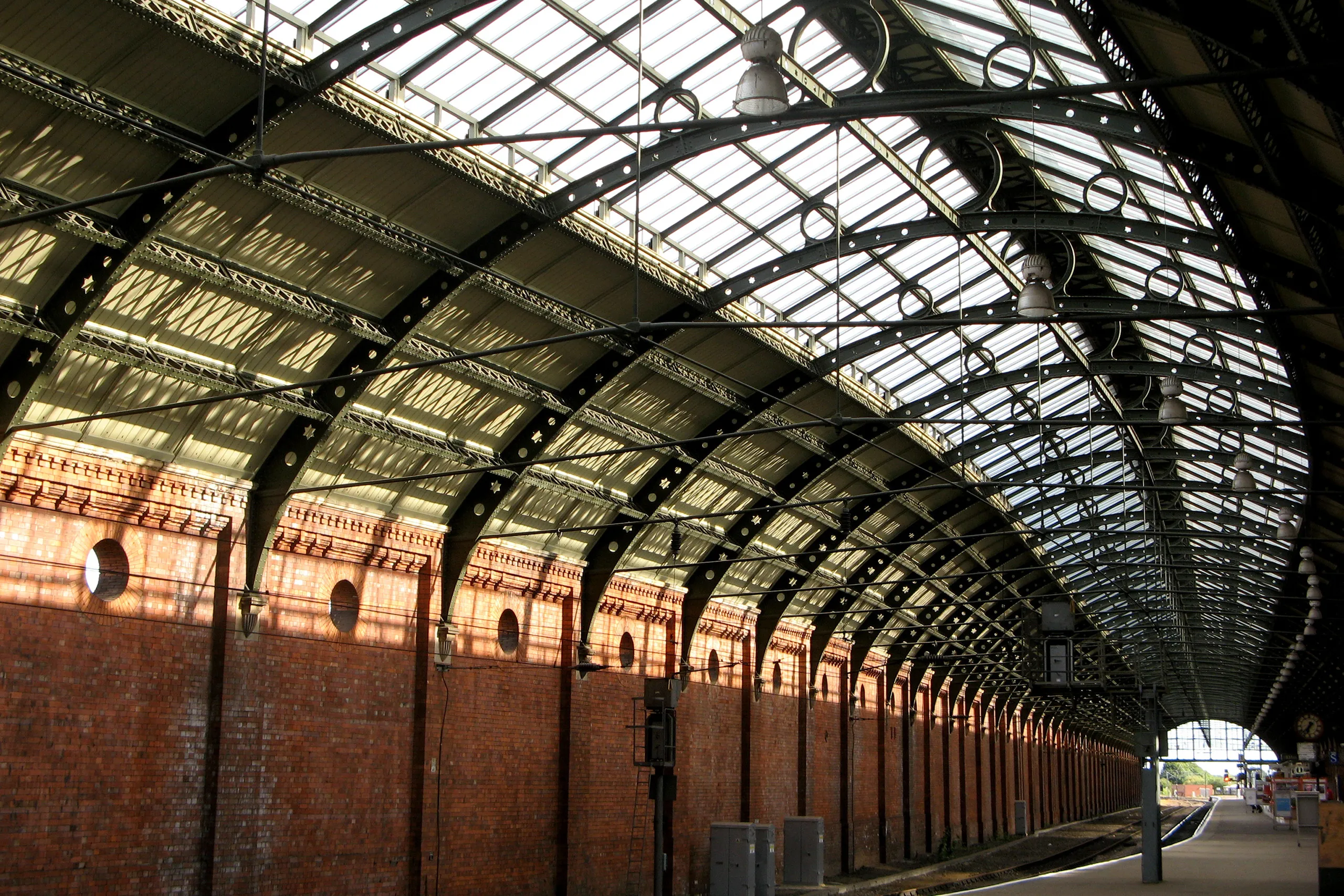
Patent glazing systems consist of structural glazing bars that span between supports to create durable, watertight roof glazing assemblies in both traditional and contemporary architectural designs. Many of our systems are also used to create roof lanterns and skylights for both commercial and residential applications. They are widely used to create large-span glass roof systems for atriums, railway stations, commercial buildings and heritage restorations.
Different glazing bar systems are used depending on the architectural requirements of the project. Heritage glazing bars replicate traditional Victorian roof glazing, while aluminium glazing bar systems provide thermally efficient solutions for contemporary rooflights and glass atriums.
Our range includes traditional lead-covered steel glazing bars for conservation projects, thermally broken aluminium glazing bars for modern rooflights and fully engineered proprietary roof glazing systems for large-scale commercial applications.
All patent glazing systems must be installed with suitable safety glass types. These are either toughened or laminated glass or a combination of both for double and triple glazed systems.
Toughened safety glass (sometimes called tempered glass) is produced by heating annealed glass to approximately 620ºC, at which point it begins to soften. The surfaces of this heated glass are then cooled rapidly. The technique creates a state of high compression in the outer surfaces of the glass and, as a result, although most other characteristics remain unchanged, the bending strength is increased by a factor of up to five times that of annealed glass.
When broken, the toughened glass fractures into small pieces (called dice). As these particles do not have the sharp edges and dagger points of broken annealed glass, it is generally regarded as a safety glass. While these dice may cause minor cuts, it is very difficult to cause a severe injury with them, provided the fragments are small enough.
Toughened safety glass must be cut to size and have any other processing, such as edge polishing or hole drilling, completed before toughening, because attempts to “work” the glass after toughening will cause it to shatter. 6mm toughened glass has a safety rating of class 1-C-2 in accordance with [BS EN 12600].
Laminated glass consists of one or more panes of glass attached to and separated from each other by means of interlayer materials. Laminated glass is usually made from annealed glass, although it can also be manufactured using toughened, heat strengthened or wired glass. It is no stronger than the glass it is made from and cracks as easily. However, when laminated glass breaks, the glass fragments tend to adhere to the interlayer material.
Although the glass itself maybe annealed glass, on breaking any sharp cutting edges are not generally exposed. The performance of the glass depends very much on the type of interlayer, and there are many different types. The most common interlayer is PVB (polyvinylbutyral) sheet, which usually sticks to the glass very well and produces a uniform thickness, high energy absorbing interlayer.
6.4mm thick laminated glass obtains a Class 2-B-2 safety rating to BS EN 12600, 6.8mm thick laminated glass obtains a Class 1-B-1 safety rating to BS EN 12600. All laminated glass with a PVB interlayer at least 0.8mm thick obtain a Class 1-B-1 safety rating to BS EN 12600.
This is a product which has been regarded as a safety glass type for many, many years. The wires in wired glass tend to hold the glass together when it is cracked. They perform this function admirably when used in roof glazing and, most particularly, in providing fire resistance.
The Cast/textured type supplied by Pilkington Glass has thinner wires than the polished/clear type and therefore no longer carries a safety rating to BS EN 12600. The Polished/Clear type is supplied by Pilkington Glass with normal and thicker wires so the latter product provides a safety Class 3-B-3 rating to BS EN 12600.
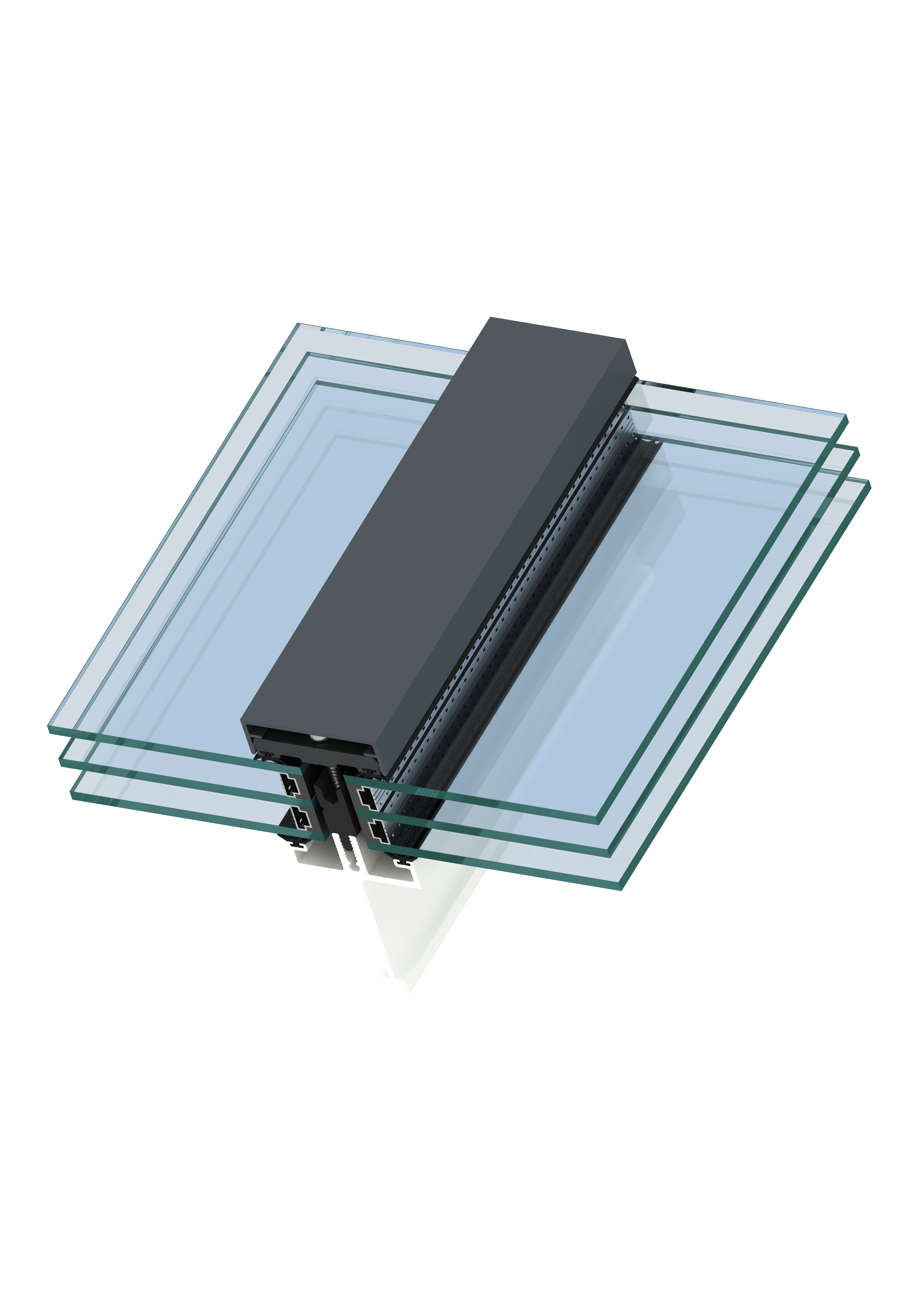
The 4Edge Pro glazing system is our latest, highly efficient roof glazing solution. It is known for its thermal efficiency, weatherability and modern design.
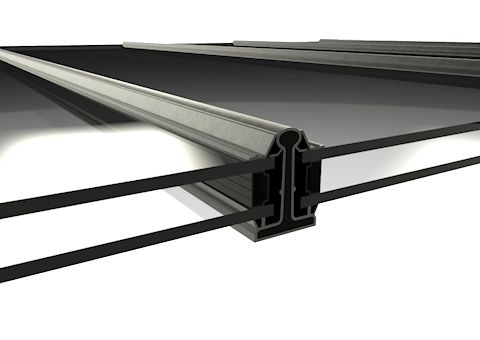
This proprietary system secures infill materials on all four sides using dry-sealed transom mullions. It offers enhanced weatherability, slim sightlines and concealed fixings, similar to patent glazing. Additionally, the system provides the strength and span capabilities of curtain walling. Unlike other systems, the 4Edge Pro doesn’t require additional weathering tapes or silicone sealants. It features a unique transom connection that fully drains into the glazing bars. This design eliminates secondary seals and reduces the risk of seal compromise. Additionally, the in-line transom cap has a slender design that effectively reduces unsightly tide water marks. This is in contrast to competitor alternatives, which tend to hold water.
Available in single, double, and triple glazing applications, it is compatible with various glazing bars. This ensures superior performance and an extended lifespan. Its aesthetic appeal is further enhanced by the choice of plain or ornate snap-on cappings. These cappings conceal fixing screws, providing a robust and fully drained glazing solution.
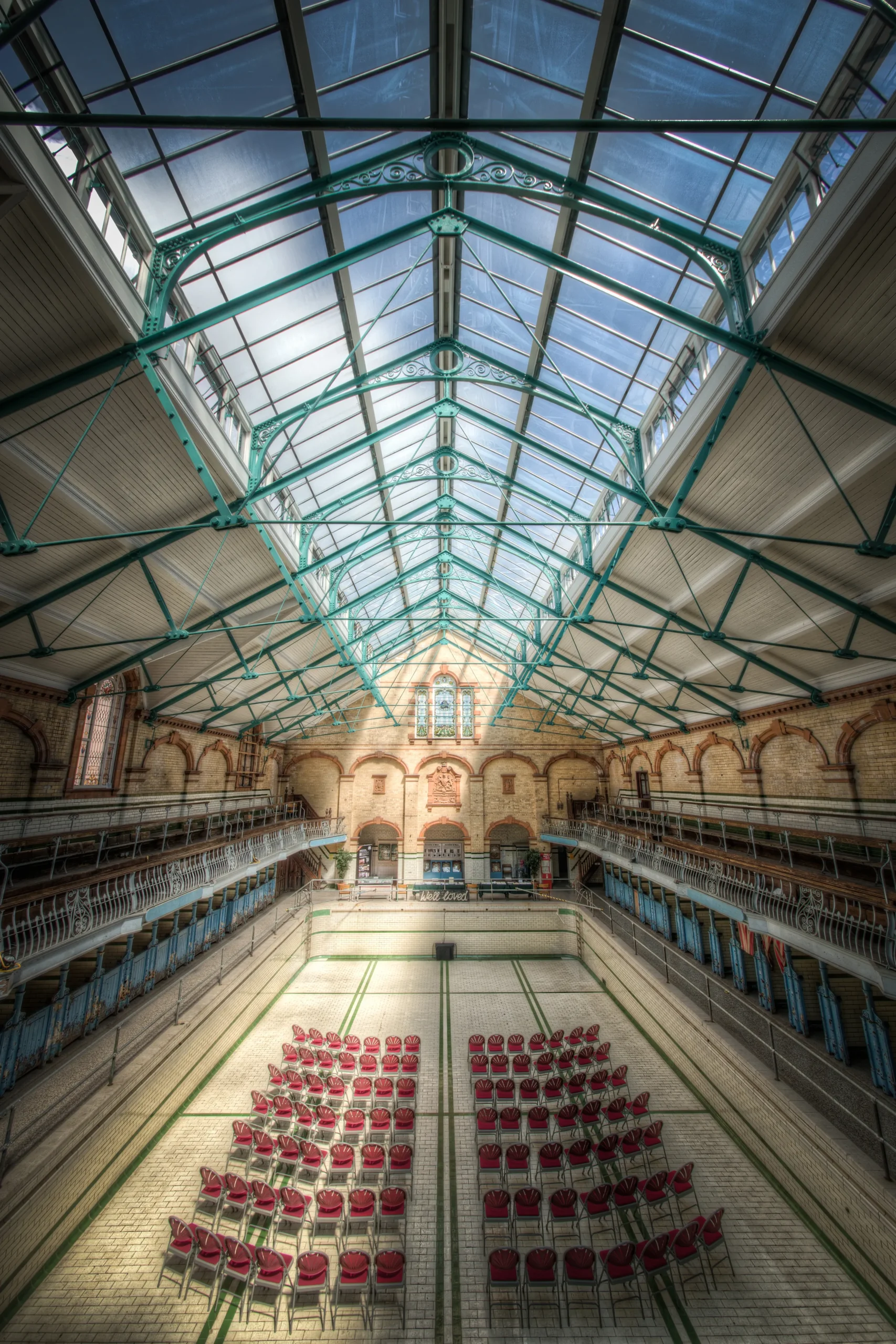
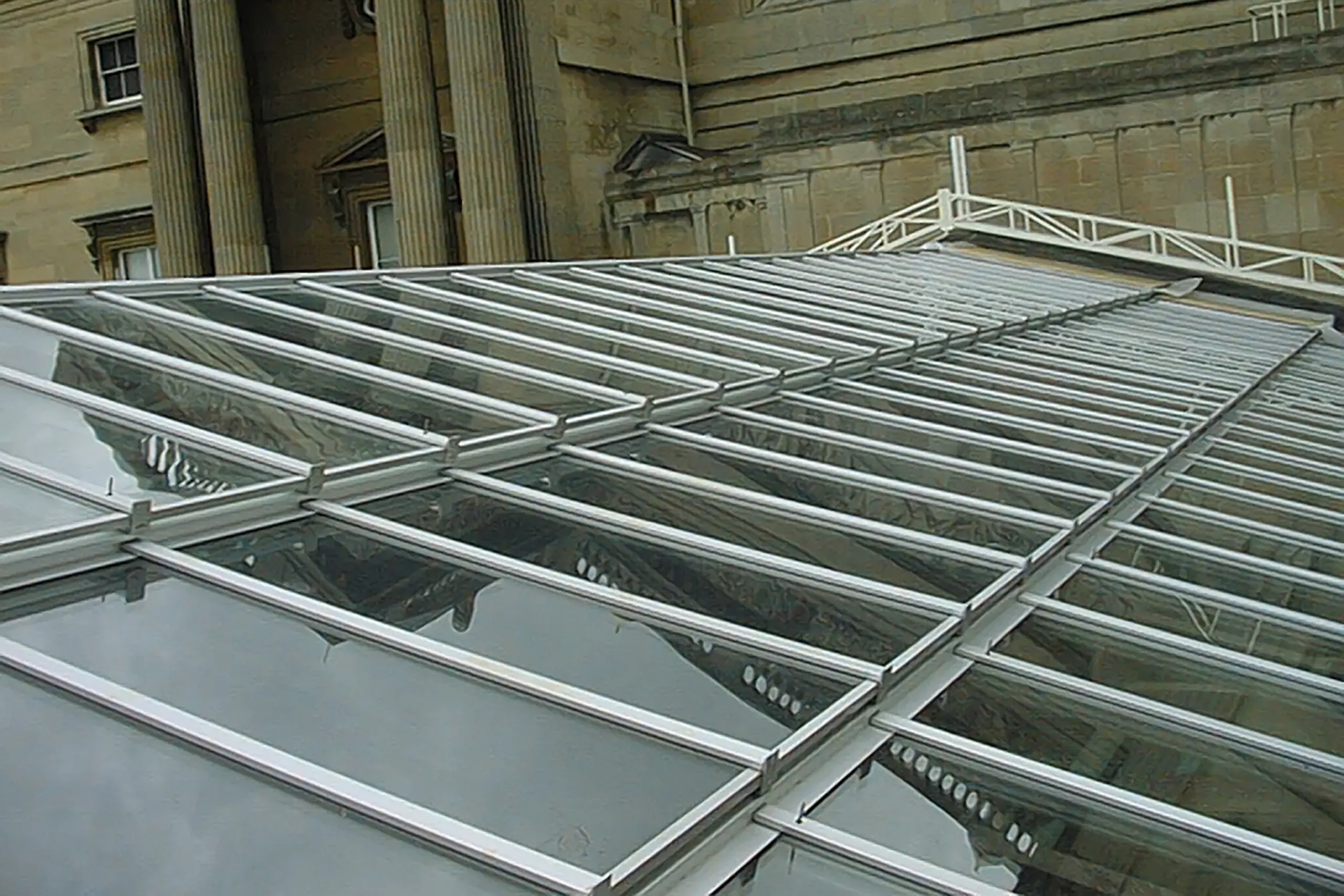
Our Heritage lead covered steel patent glazing bars embody the essence of the patent glazing tradition, dating back to Victorian innovation. The glazing bar features a galvanised steel core encased in a seamless lead extrusion covering, incorporating a twin wing weathering system and glass seatings. Ends are hermetically sealed, completed with cast brass fixing plates and glass stops.
While some competitors market their modern aluminium systems as heritage alternatives, our Heritage patent glazing system is the only true heritage product on the market, unaltered since the Victorian era.
This system is perfect for replacing, refurbishing and upgrading Grade 1 & 2 listed buildings, historic glazing applications and other prestigious projects. No other products on the market match the original lead covered steel patent glazing bar.
Our proprietary Skyline Box range of glazing bars provides an economical roof glazing solution compared to curtain walling roofing systems. These bars derive their strength from an internal box section and are weathered by a screw-on pressure cap, with options for plain (PC2) or ornate (PC3) cosmetic outer snap-on cappings that conceal all fixing screws. Available with a thermal break and compliant with Part ‘L’ Regulations, this system is ideal for high specification contracts involving single, double and triple glazed roof glazing systems where visual appearance is paramount. This system is frequently specified by architects and commercial glazing contractors for high-specification roof glazing projects where visual appearance and performance are paramount.
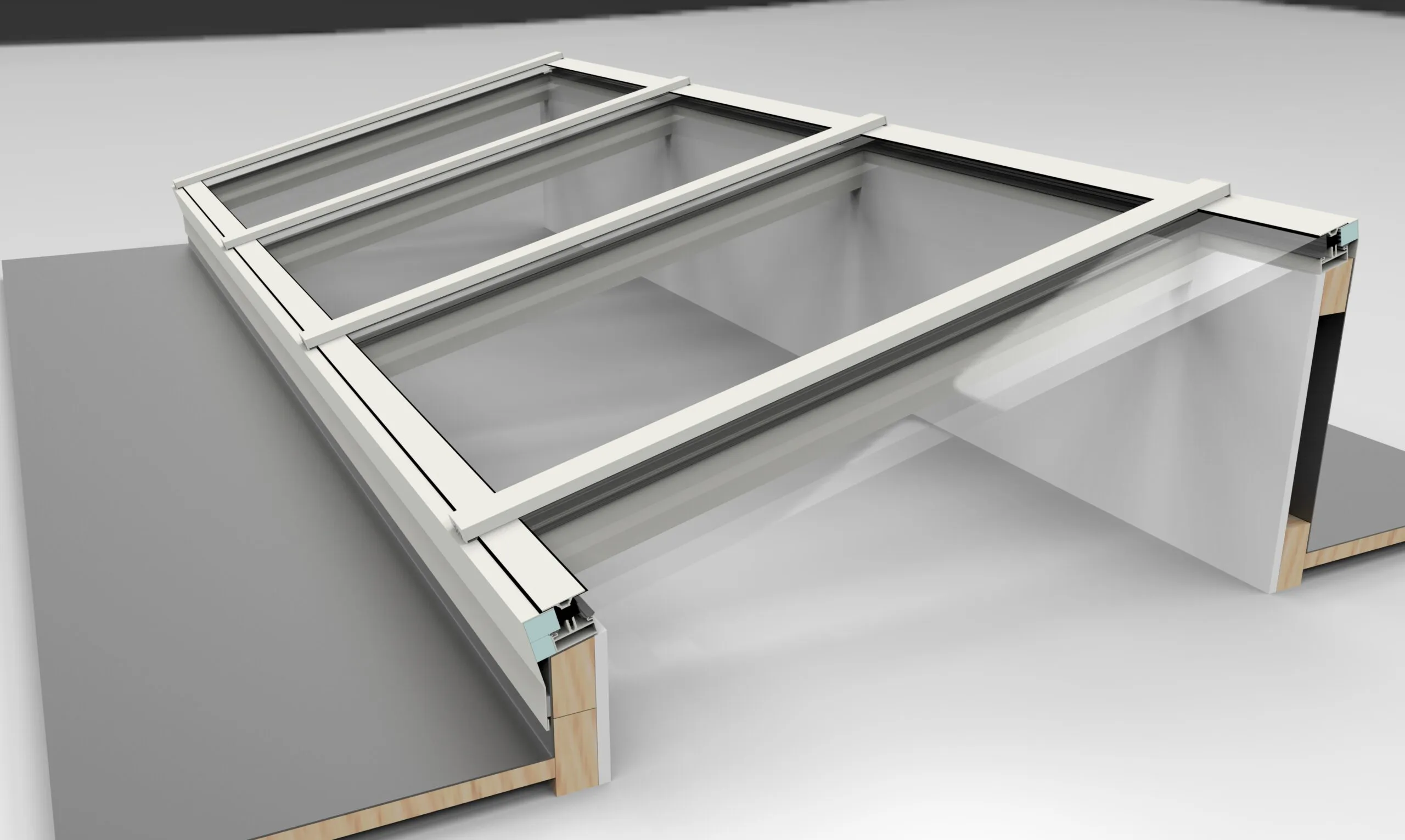
A sleek aluminium glazing bar designed to sit in-line with the roof, ideal for thermally efficient double and triple glazed rooflight systems. Available with a selection of internal and external capping systems to produce several possible glazing systems from one suite. This range is popular for double and triple glazed rooflights and is perfect for commercial and domestic applications. Also suitable for single glazed canopies this is a versatile glazing bar which will suit most project designs at an affordable price.
Our new range of brochures are now available to download, offering a comprehensive look at our full product line and capabilities.
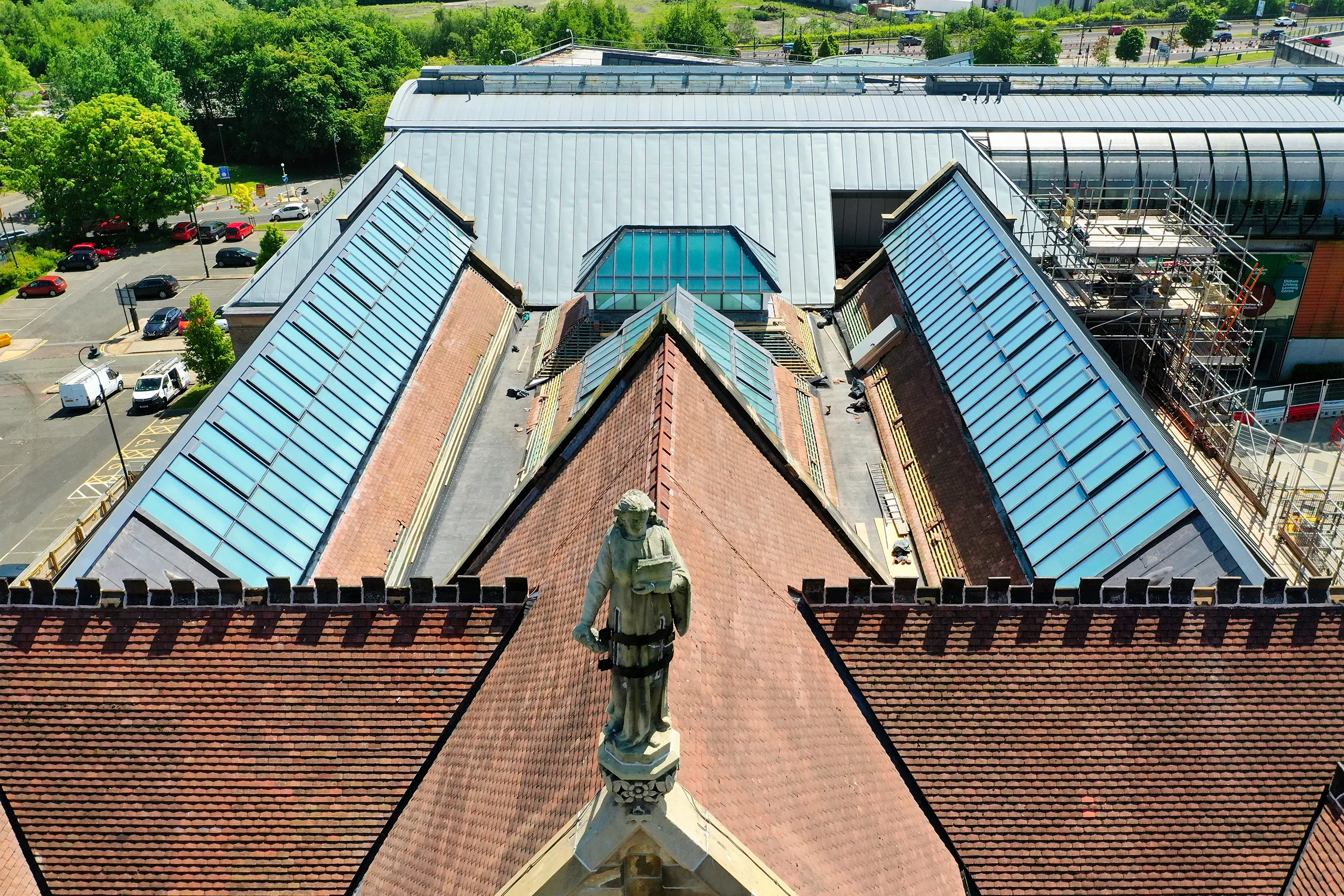
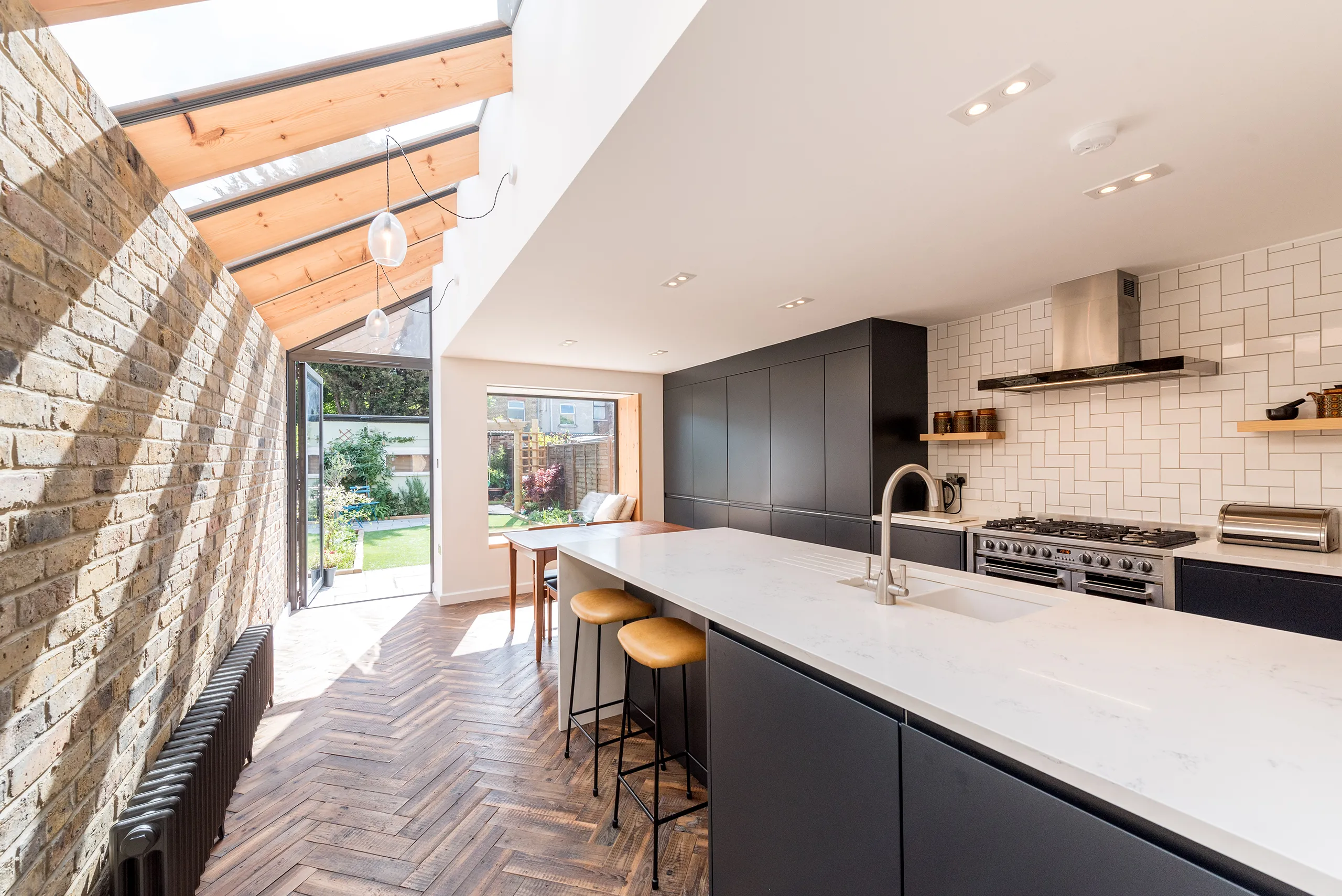
Timber rafters (supplied by the builder or joinery sub-contractor) will create an appealing visual effect inside any building and are totally protected from the effects of weathering by our externally clad Rafterline patent glazing system which provides superb weather resistance and is not subject to the regular maintenance required for timber glazing systems. Due to the pleasing combination of aluminium and timber materials our Rafterline system is the most popular specifiers choice for domestic projects.
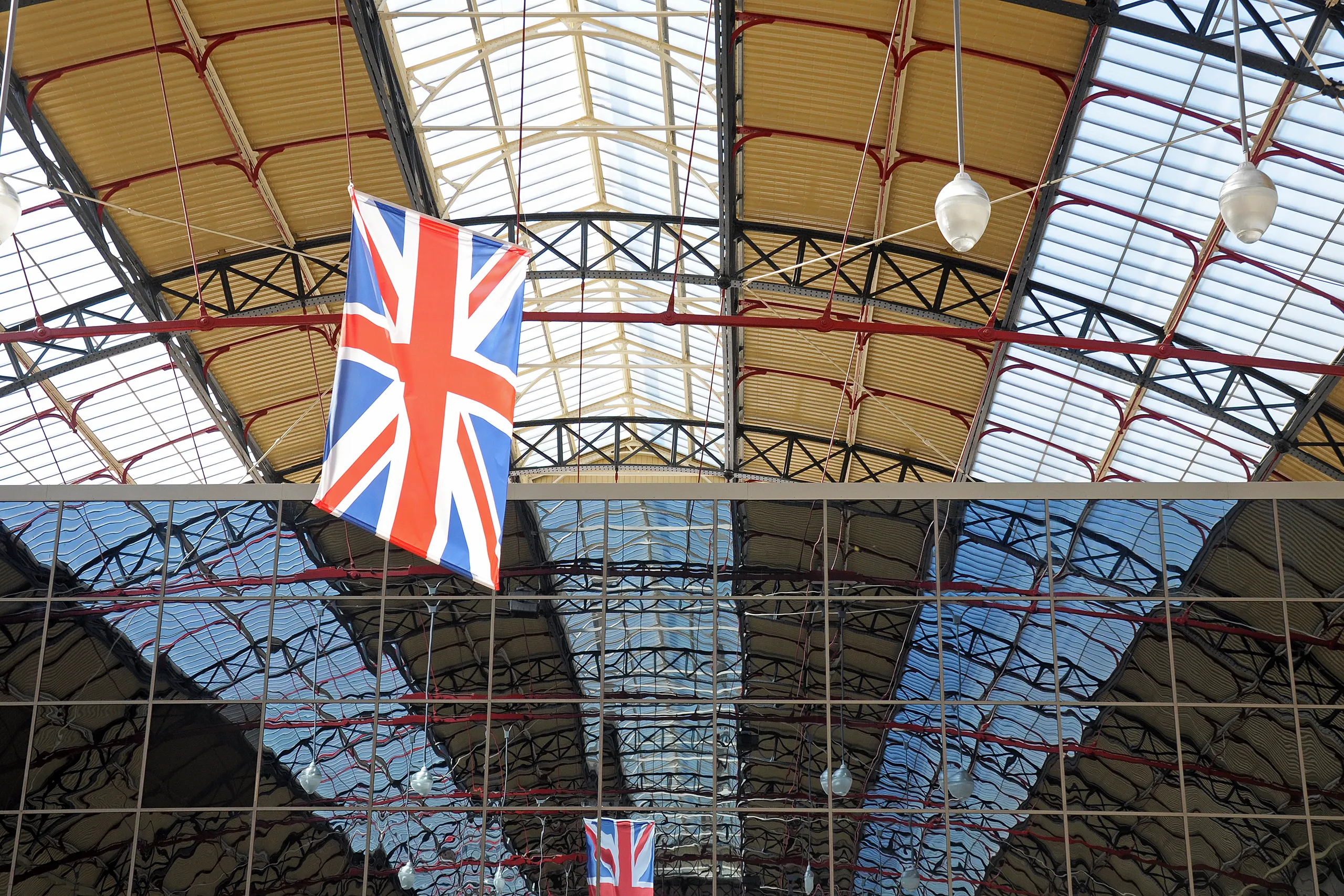
Our Traditional patent glazing system remains our customers most popular choice for use on unheated spaces such as railway stations, glazed canopies and covered ways where thermal properties are not a consideration. This system has been installed on thousands of projects nationwide and is available with a choice of capping systems to suit your needs. A truly great glazing system combined with economy and a proven track record. 40,000m² of this glazing system has been installed by us on many major railway stations throughout the UK in recent times. This system remains a popular solution for non-thermally broken patent glazing in transport and infrastructure projects.